
Introduction
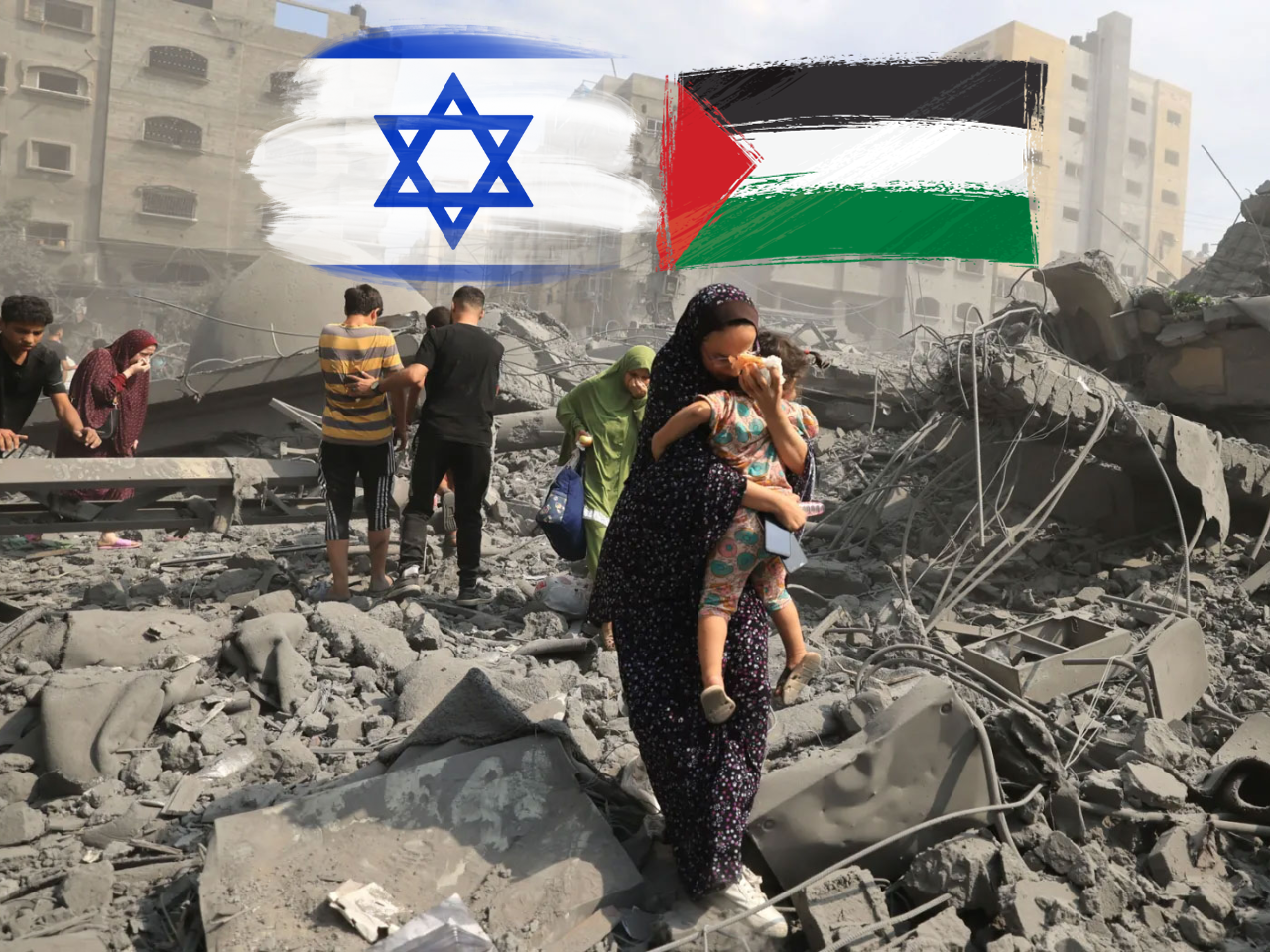
The Israeli-Palestinian conflict is one of the longest-running and most complex disputes in modern history. Recent violence in Jerusalem left hundreds of Palestinians and dozens of Israeli police officers injured. While the clashes erupted in 2021, the conflict itself dates back over a century. To truly understand today’s events, it is essential to explore the historical roots, unresolved issues, and ongoing tensions shaping this crisis.
How Did the Israeli-Palestinian Conflict Begin?
A Century-Old Struggle
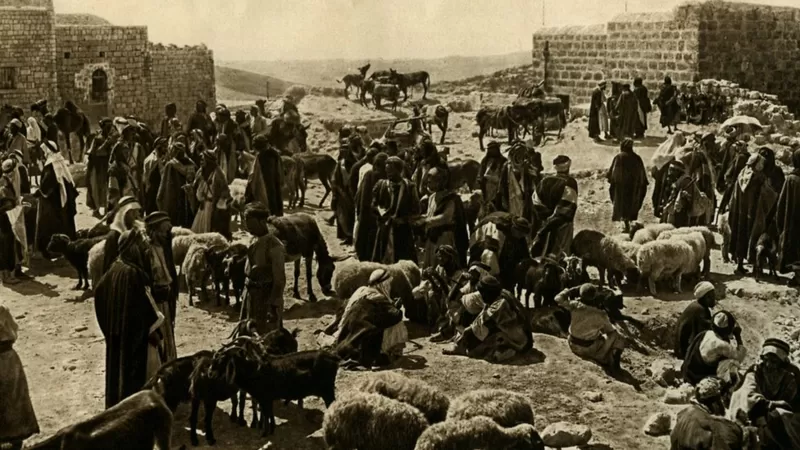
After the First World War, Britain took control of Palestine following the fall of the Ottoman Empire. At the time, the population was predominantly Arab, with a minority Jewish community. Britain later supported the creation of a “national home” for the Jewish people in Palestine, intensifying disputes between Jews and Palestinian Arabs.
Growing Migration and Rising Violence
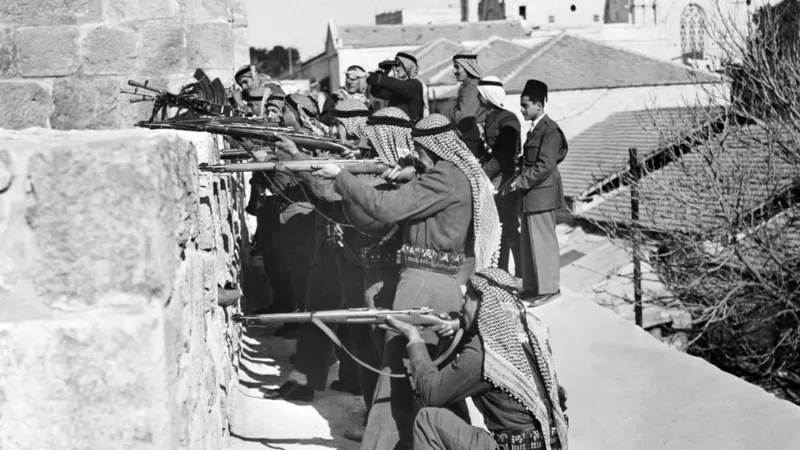
From the 1920s to the 1940s, Jewish migration increased, with many escaping persecution in Europe, especially after the Holocaust. Violence grew between Jews, Arabs, and the British authorities. In 1947, the United Nations proposed partitioning Palestine into separate Jewish and Arab states, while making Jerusalem an international city. Jewish leaders accepted the plan, but Arab leaders rejected it, leading to further conflict.

The Creation of Israel and the 1948 War
In 1948, Britain withdrew, and Jewish leaders declared the State of Israel. This triggered immediate war with neighboring Arab states. Hundreds of thousands of Palestinians were displaced in what they call the Nakba (“The Great Catastrophe”).
By the end of the war, Israel controlled most of the territory, while Jordan held the West Bank and Egypt controlled Gaza. Jerusalem was divided between Israel in the west and Jordan in the east. Importantly, no peace agreement was reached, laying the groundwork for future wars.
The Six-Day War and Occupation of Territories
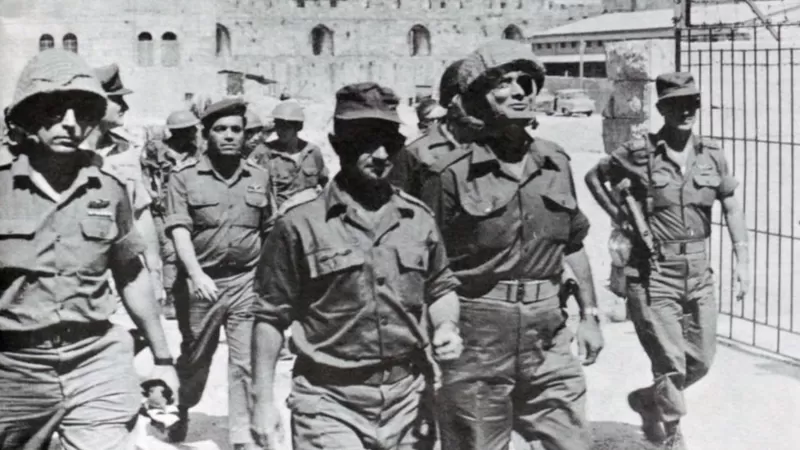
In 1967, during the Six-Day War, Israel captured East Jerusalem, the West Bank, Gaza, the Sinai Peninsula, and the Golan Heights. Although Israel later returned Sinai to Egypt, it still occupies East Jerusalem and the West Bank.
Today, more than 600,000 Israeli settlers live in the West Bank and East Jerusalem. The United Nations considers these settlements illegal, but Israel disputes this claim. Meanwhile, Palestinian refugees and their descendants, living in places like Jordan, Lebanon, and Syria, are still denied the right to return to their ancestral homes.
What Is Happening Now?
Tensions remain high between Israel and Palestinians in East Jerusalem, Gaza, and the West Bank.
- Gaza: Controlled by Hamas, which frequently clashes with Israel. Both Israel and Egypt maintain tight border restrictions.
- East Jerusalem: Evictions of Palestinian families and restrictions during religious gatherings often trigger clashes.
- West Bank: Palestinians face military checkpoints and settlement expansion, fueling anger and protests.
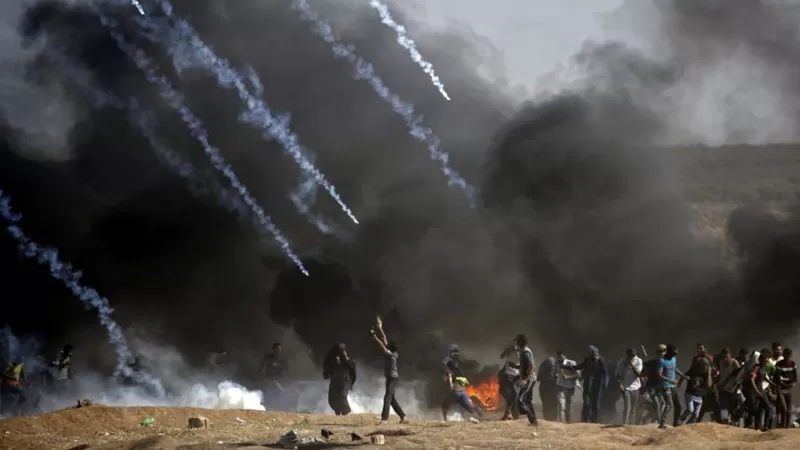
Since 2021, violence has escalated, with frequent confrontations between Israeli forces and Palestinians.
The Core Issues of the Conflict
Several unresolved questions continue to block peace efforts:
- Jerusalem: Israel claims the entire city as its capital, while Palestinians seek East Jerusalem as the capital of their future state.
- Refugees: Millions of Palestinian refugees demand the right to return, which Israel rejects.
- Settlements: Palestinians call for the removal of Israeli settlements in the West Bank.
- Borders & Statehood: Disagreement continues on whether a two-state solution can be achieved.
Despite decades of peace talks, including the Oslo Accords and the Trump administration’s “Deal of the Century”, no permanent resolution has been reached.
What Does the Future Hold?
The future of the Israeli-Palestinian conflict remains uncertain. Without meaningful negotiations, the cycle of violence is likely to continue. A lasting peace would require compromises on borders, refugees, settlements, and the status of Jerusalem. Until both sides reach common ground, the crisis will remain one of the world’s most intractable conflicts.
Conclusion
The violence in Jerusalem is not an isolated event but part of a century-long conflict rooted in history, displacement, and competing claims to land. Understanding the Israeli-Palestinian conflict means recognizing its historical context and the deep divisions that persist today. Only through international cooperation and genuine dialogue can there be hope for peace in the region.
Related Links
United Nations on the Question of Palestine
BBC Explainer on the Israel-Palestine Conflict